

If you find that you are unable to fall asleep without relying on alcohol, it may be time to seek professional help. There are various options available to help you address and overcome your sleep difficulties. Consulting a sleep specialist, exploring therapy options, and considering medication as a last resort are three avenues to consider.
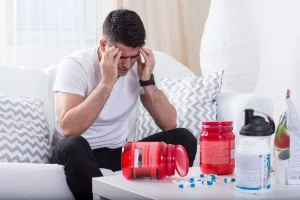
Is it hard to sleep after quitting drinking?
And it’s hard to think that if you have enough alcohol, you’re not even going to wake up during that. Plus, the study suggested, the month gave people a chance to experience the benefits of sobriety and learn that they didn’t need to drink to enjoy themselves. « I have always found that there isn’t a return to the level of drinking prior because your body isn’t used to it, » Witkiewitz said. Research out of the UK shows that people who tried Dry January still report drinking less than they did the year before by August. « Your brain almost goes into hyperdrive for a while after you remove the alcohol and are no longer numbing it, » it continued.
Can you go to rehab for insomnia caused by alcohol withdrawal?
- Treating insomnia earlier can prevent further complications such as mental health disorders or poor work performance.
- Here is my top 10 list of herbs for a person that quit drinking and can’t sleep.
- That can lead to addiction and compulsive drinking, Piccirillo adds.
- As Allen told me, when it comes to mindful drinking, « we want to minimize the frequency and maximize the enjoyment. »
- Whether you’re a casual drinker or experiencing alcohol abuse problems, you can break the habit and start falling asleep without needing a drink first.
- When it comes to alcohol and sleeping, it shouldn’t be difficult to recognise if the two things have become inextricably linked.
It’s worth noting that most research only focuses on the effect of alcohol on a single night of sleep. At first, it’s not going to be easy to change the routine, but over time, you’ll develop a healthier schedule which doesn’t rely on booze. Getting to sleep after you quit drink entirely can also be a challenging experience, though it alcoholism treatment gets easier with time. Here’s what you need to know about trouble sleeping without alcohol. The Substance Abuse and Mental Health Services Administration (SAMHSA) provides a helpline and a directory of treatment facilities nationwide. These resources connect you with trained professionals who guide you through recovery options tailored to your needs.
Latest Bedding Reviews
But when you woke up it felt almost as though you hadn’t really slept at all. Caffeine, a stimulant found in coffee, tea, and some soft drinks, can interfere with your ability to fall asleep. It’s advisable to limit your caffeine intake, especially in the afternoon and evening. Alcohol delays the first episode of REM sleep – and reduces the subsequent amount of REM sleep you get throughout the night. It can also make you wake up more often or lead to lighter sleep in the latter part of the night. This is significant, as REM sleep – sometimes called “dreaming sleep” – is thought to be important for memory and regulating emotions.
Creating a consistent pre-sleep routine can also be effective for dealing with insomnia after quitting alcohol. These methods include activities such as reading a book, listening to soothing music, or taking a hot bath. While the timeline described above represents a general pattern of sleep improvement after quitting alcohol, it’s important to recognize that individual experiences can vary significantly. Several factors can influence how quickly and to what extent sleep improves after giving up alcohol. The improved overall sleep quality and consistency have far-reaching effects on various aspects of life.
- If you’re dependent on alcohol, it’s important to detox under medical supervision.
- You are essentially retraining your brain to expect to sleep when in your bed.
- Therapy and medication can play critical roles in managing persistent insomnia after alcohol detox.
- Most of my patients recognize the difference in their sleep quality when they’ve had a drink or several drinks, versus when they’re not drinking.
- Siestio is an evidence-based resource dedicated to sleep and wellbeing.
Alcohol can cause or aggravate a wide range of health issues, from liver diseases to heart problems. Once you expel it from your life, the body can invest energy once assigned to battling alcohol’s toxic effects into nurturing and rebuilding itself. After about a week, the symptoms start to calm down, and by the end of the first month, most people see significant improvement, if not complete disappearance, in insomnia. It’s estimated that by the end of 90 days, most people get past insomnia entirely, with rare cases of individuals experiencing it beyond this point. The precise timeline for insomnia post alcohol detox can be elusive as it varies from individual to individual based on a multitude of factors, as mentioned earlier.
- It’s important to remember that the journey to better sleep is not always linear, and patience and persistence are key.
- From the initial challenges of the first week to the long-term benefits of restored sleep patterns, each stage brings its own set of changes and improvements.
- This phase is where a person starts to fall asleep and typically lasts only a few minutes.
- Hypnosis itself is not sleep, but it is a deeply relaxing therapeutic procedure.
This disruption can cause what’s known as “rebound wakefulness,” where you wake up in the middle of the night and struggle to return trouble sleeping without alcohol to sleep. Including giving you the ability to fall asleep without alcohol. Next, you need to begin to break the link between alcohol and sleeping. The best way to do this is to leave longer and longer amounts of time between having a drink and bedtime. Insomnia is defined as regular trouble falling asleep and/or waking up throughout the night.